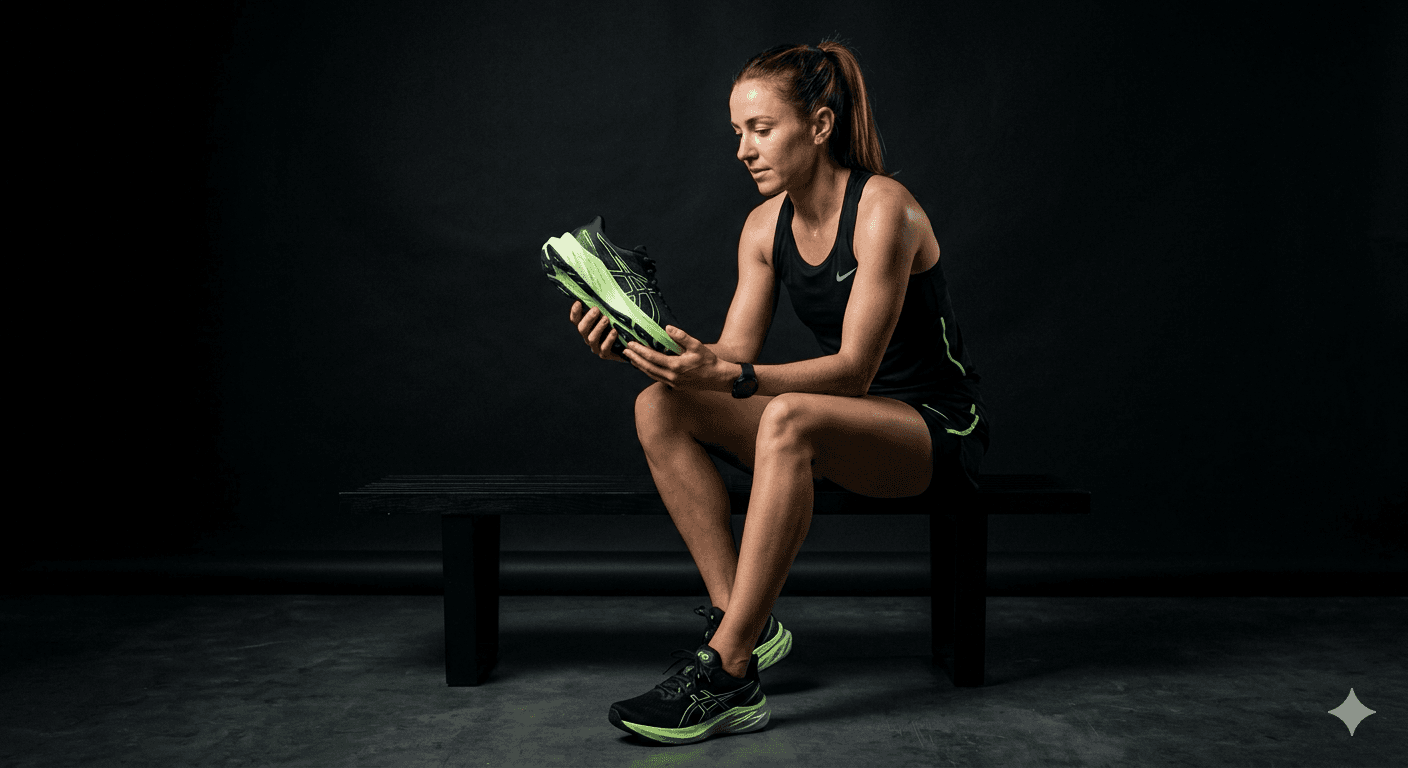









You don't need to spend $200+ on great running shoes. These picks under $150 deliver premium performance without the premium price.
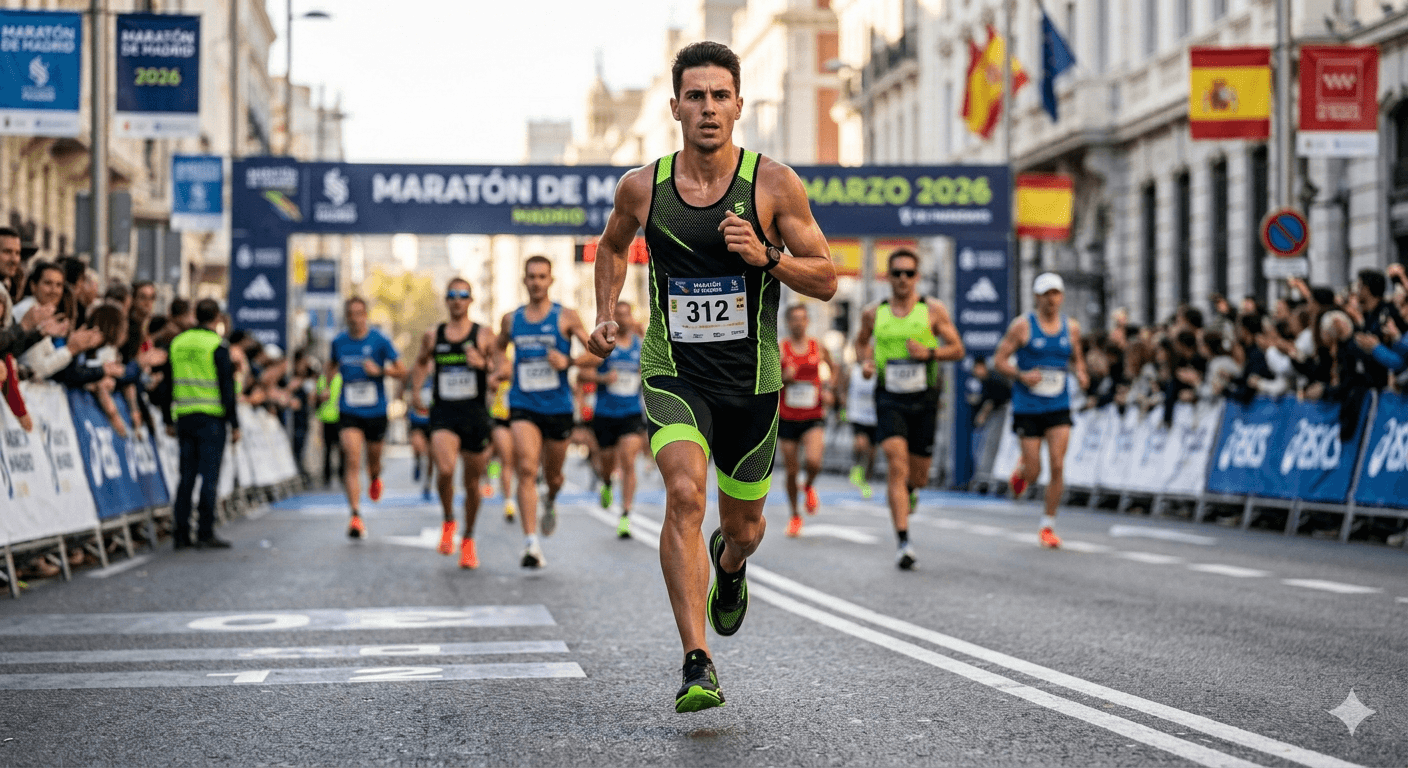
The running shoe market has split into two tiers: daily trainers ($120-$160) and super shoes ($200-$300). The sweet spot for most runners is firmly in the first group.
Shoes under $150 use proven foam technology that's been refined over years. You're not getting bleeding-edge PEBA foam or carbon plates, but you're getting cushioning, durability, and comfort that will serve you for 400-500 miles. That's 6-8 months of training for most runners.
The shoes on this list also tend to be more durable than their premium counterparts. Super foams like ZoomX and FF Turbo break down faster than traditional EVA and TPU blends.
The Gel-Cumulus has been a budget staple for over a decade, and the 27th version is the best yet. FF Blast foam in the midsole provides responsive, comfortable cushioning. GEL technology in the heel absorbs impact. The outsole is one of the most durable in the category.
It does everything well without excelling at any one thing, which is exactly what a budget daily trainer should do. If you need one shoe for all your runs and want to spend as little as possible, this is it.
At $130, it undercuts the Ghost 17 by $10 and the Pegasus 42 by $10 while delivering comparable performance.
The Triumph 22 sits right at the $150 ceiling but delivers premium-level cushioning. PWRRUN+ foam is Saucony's top-tier midsole material, and the Triumph gets a full-length slab of it. The result is a plush, high-stack shoe that feels more expensive than it is.
At 8mm drop and 37mm stack height, it competes directly with shoes like the HOKA Bondi 9 ($165) and Brooks Glycerin 22 ($160). The Triumph is lighter than both.
Best for: Runners who want maximum cushioning without exceeding $150.
At $120, the Kinvara 15 is the cheapest shoe on this list and one of the lightest daily trainers on the market at 215g. The 4mm drop and minimal design appeal to runners who prefer a more natural, ground-connected feel.
PWRRUN foam isn't as bouncy as PWRRUN+, but it's responsive enough for tempo runs and comfortable for easy days. The low stack means less cushioning than the other picks here, so it's better for lighter runners or those who run shorter distances.
Best for: Experienced runners who value light weight and ground feel over maximum cushion.
The Ghost 17 is the most universally recommended running shoe in the world. DNA Loft cushioning, 12mm drop, accommodating fit. It works for almost every runner, almost every distance, and almost every pace.
At $140, it's mid-range in price but top-tier in reliability and durability. Many runners report getting 500+ miles before needing to replace. If you divide cost by miles, it's one of the best values in running.
Best for: New runners who want a safe, proven pick that won't let them down.
Stability shoes tend to be expensive. The Kayano 32 is $160, and the Adrenaline GTS 24 is $140 but often sells out. The Saucony Guide 18 at $140 delivers solid stability with a medial TPU guidance frame and PWRRUN foam.
It's lighter and less bulky than the Kayano, which makes it a good option for mild overpronators who don't want a heavy corrective shoe. The 8mm drop is moderate and works for most stride types.
Best for: Overpronators on a budget.
Trail shoes under $150 are rare, but the Peregrine 14 delivers. PWRRUN foam for cushioning, a rock plate for protection, and aggressive lugs for grip on dirt, mud, and rock. At 270g, it's lighter than most trail shoes with this level of protection.
The Peregrine has been a trail staple for years, and version 14 refines the formula without changing what works. If you're getting into trail running and don't want to spend $180+ on a Speedgoat, start here.
Best for: Trail runners who want proven performance at a fair price.
The single best way to save money on running shoes is to buy the previous version. When the Ghost 17 launches, the Ghost 16 drops to $90-100. When the Pegasus 42 launches, the Pegasus 41 drops to $80-100.
The differences between versions are almost always minor. Same foam, same fit, slightly updated upper. You're getting 95% of the same shoe for 30-40% less.
Our comparison tool shows both current and previous-gen models so you can see exactly what changed and decide if the new version is worth the extra cost.
The information in this article is based on aggregated data from expert review sources including Runner's World, Believe in the Run, Road Trail Run, Doctors of Running, and other independent testing labs. Shoe specifications are sourced from official brand product pages. RunningZap does not test shoes in-house — we aggregate and normalize scores from trusted third-party reviewers to provide objective comparisons.
For the latest specs and pricing, we recommend checking the official brand websites linked on each shoe's detail page.