




Análisis basado en datos de fuentes expertas. Race day demands the best. These marathon shoes are chosen based on expert scores, weight, energy return, and real race results.

A marathon shoe needs to do three things: save energy over 26.2 miles, stay comfortable when fatigue sets in, and hold up structurally to the end.
The modern marathon shoe formula is well established: super foam (typically PEBA-based) for energy return, a carbon or composite plate for propulsion, and a lightweight upper that doesn't add drag. The best ones weigh under 200g and feel like they're pushing you forward.
But not everyone needs a $280 super shoe. We've included options for every level and budget.
The Alphafly 4 is the most decorated marathon shoe in history. Its predecessors have been worn to break world records, and the 4th generation refines the formula: ZoomX foam, a full-length carbon plate, and Air Zoom pods in the forefoot for explosive toe-off.
At 198g, it's remarkably light for the amount of technology packed in. The 8mm drop and 40mm stack height create a forward-rolling sensation that maintains efficiency even at mile 22.
The caveat: it's $285 and requires some break-in. Don't race in it without at least 2-3 training runs to adapt to the aggressive rocker.
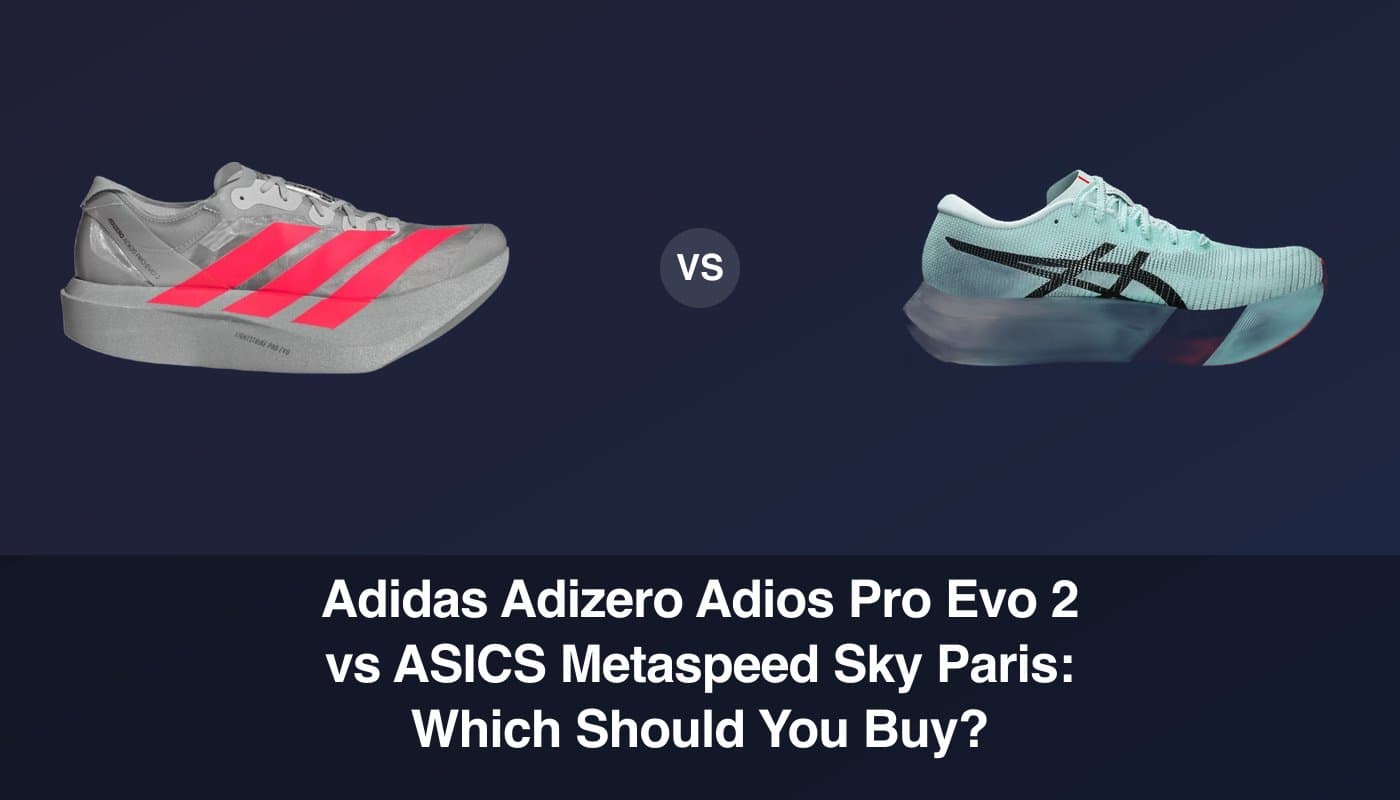
If the Alphafly doesn't suit your stride, the Metaspeed Sky Paris is the strongest alternative. ASICS' FF Turbo foam provides similar energy return to ZoomX, and the carbon plate geometry is tuned for stride-type runners (longer strides, lower cadence).
At 185g, it's even lighter than the Alphafly. The trade-off is slightly less cushioning and a firmer ride — which some runners actually prefer for the connected ground feel.
ASICS also makes the Metaspeed Edge for higher-cadence runners. Know your stride type before choosing.
The Endorphin Elite 2 is built for speed. PWRRUN HG foam and a carbon plate tuned for aggressive toe-off make this one of the fastest shoes on the market. It's the shoe that pushed Saucony athletes to several national records.
At 178g with a 8mm drop, it's featherweight and responsive. But it sacrifices cushioning — this is a pure racing tool, not something you'd want for a comfortable 4-hour marathon.
Best for: Experienced runners targeting sub-3:00.
Not ready to drop $250+ on a race shoe? The Endorphin Speed 4 gives you 80% of the super shoe experience at $170. It uses a nylon plate (instead of carbon) and PWRRUN PB foam, which isn't as bouncy as the Elite but still provides excellent energy return.
At 215g, it's slightly heavier — but many runners use it for both training and racing, which is something you can't do with fragile super shoes. If you're running one marathon and don't want to buy a dedicated race shoe, this is the one.
Best for: Runners who want one shoe for fast training and race day.
Your first marathon isn't about speed — it's about finishing. The 1080v14 provides maximum cushioning in a comfortable, reliable package. Fresh Foam X in the midsole stays soft even at mile 20, and the wide platform keeps you stable when fatigue throws off your form.
At 280g with a 6mm drop, it's heavier than racing shoes but significantly more protective. You'll thank yourself in the last 10K.
Best for: First-time marathoners focused on finishing comfortably.
Research consistently shows that carbon-plated super shoes improve running economy by 2-4%. For a 3:30 marathoner, that's roughly 4-8 minutes — significant at any level.
But super shoes have trade-offs: they're expensive ($200-$300), fragile (100-200 miles max), and require adaptation. If you only run 1-2 races a year, the cost-per-wear is high.
Our recommendation: If you're targeting a specific time goal and race regularly, invest in a super shoe for race day. If you're running your first marathon or just want to enjoy the experience, a good daily trainer like the Nike Pegasus or Brooks Ghost will get you to the finish line just fine.
Use our comparison tool to see exactly how these shoes stack up on weight, cushioning, and value.
La información de este artículo se basa en datos agregados de fuentes de análisis expertas como Runner's World, Believe in the Run, Road Trail Run, Doctors of Running y otros laboratorios de pruebas independientes. Las especificaciones de las zapatillas provienen de las páginas oficiales de cada marca. RunningZap no prueba zapatillas directamente — agregamos y normalizamos puntuaciones de revisores de terceros de confianza para ofrecer comparaciones objetivas.
Para las últimas especificaciones y precios, recomendamos consultar los sitios web oficiales de cada marca enlazados en la página de detalle de cada zapatilla.